Why What You Eat Matters for Your Skin
The skin is the body’s largest organ, and its appearance reflects the nutrients you feed it. Foods rich in antioxidants, vitamins (C, D, E, K, B‑complex), choline, and folic acid can influence skin at a cellular level, supporting collagen production and defending against oxidative damage.
Key Anti‑Aging Foods
1. Avocados
- Healthy monounsaturated fats keep skin flexible and moisturized.
- A study of over 700 women linked higher intake of healthy fats, like those in avocados, to smoother skin with better elasticity.
- Avocados also supply vitamin E and vitamin C, both important for collagen synthesis and protection from oxidative stress.
2. Dark Chocolate
- Cocoa powder contains antioxidants that improve skin moisture and reduce roughness.
- Regular consumption of dark chocolate (≥70 % cocoa) can enhance blood flow, delivering nutrients to skin cells.
- Excess sugar can break down collagen, so choose low‑sugar varieties.
3. Red Wine
- Red wine provides resveratrol, a compound that slows free‑radical formation, a major driver of premature skin aging.
- Moderate consumption may be preferable to other alcoholic drinks for skin health, but over‑indulgence still carries negative effects.
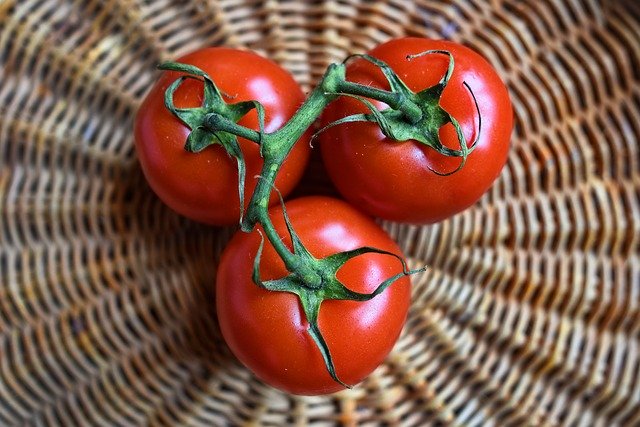
4. Tomatoes
- Rich in vitamin C and carotenoids (beta‑carotene, lutein, lycopene) that protect against sun damage.
- Carotenoids are best absorbed when eaten with a small amount of fat, such as avocado or olive oil.
5. Walnuts
- Offer an optimal ratio of omega‑3 and omega‑6 essential fatty acids, building healthy cell membranes.
- Also contain vitamin E, vitamin C, selenium, and about 6 % of the RDI for zinc, which supports skin healing and reduces inflammation.
6. Sweet Potatoes
- High in beta‑carotene, a carotenoid that shields skin from UV damage and can give a subtle bronze tone without sun exposure.
- Regular intake may extend the time you can stay in the sun before burning, though sunscreen remains essential.
Putting It Together
A diet emphasizing plant‑based foods—fruits, vegetables, nuts, and occasional lean fish—delivers the antioxidants, essential fatty acids, and vitamins that the skin needs. Pairing these foods with adequate hydration can further enhance their benefits.
What Remains Uncertain
- Most evidence comes from observational studies or small trials; definitive cause‑and‑effect relationships are still under investigation.
- Individual responses vary based on genetics, overall diet, and lifestyle factors such as sun exposure and skincare routines.
Takeaways
- Include avocados, dark chocolate (≥70 % cocoa), red wine (in moderation), tomatoes, walnuts, and sweet potatoes regularly.
- Combine carotenoid‑rich foods with a bit of healthy fat for better absorption.
- Maintain a balanced diet and stay hydrated for the most reliable skin‑health benefits.
- Remember that diet complements—not replaces—topical protection like sunscreen.
--- *This article explains the skin‑supporting properties of specific foods based on the provided source and notes the current limits of the evidence.*