





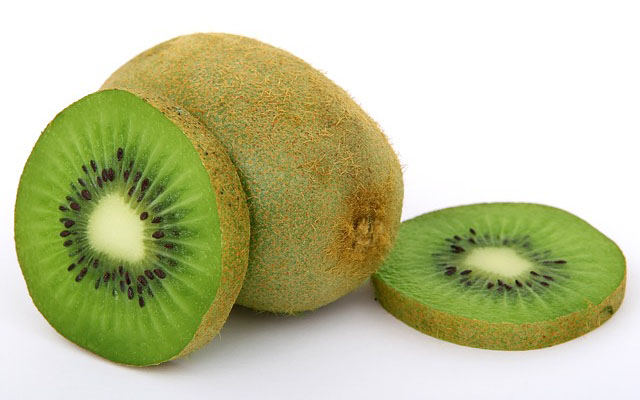
Kiwis are small, fuzzy, oval fruits featuring sweet and tangy green flesh. While widely known for their use in juices, smoothies, and fruit toppings, these fruits pack a significant nutritional punch. Behind their delicious taste, kiwis contain vitamins C, K, and E, folate, potassium, fiber, and antioxidants.
Because they are grown in multiple locations, kiwis can be purchased year-round. From November through May, shoppers can find fruit from California, while June through October imports typically come from New Zealand.
Supporting Immunity and Digestion
Studies show that eating the equivalent of three kiwi fruits every day can yield notable health benefits. For starters, kiwis contain high levels of antioxidants and vitamin C. Eating just one cup of kiwi exceeds the daily recommended intake of vitamin C. Research indicates that diets high in vitamin C improve immune system function and may help ward off bugs like the common cold and flu, with young children and people over 65 benefiting particularly from this protective capacity.
In addition to immune support, kiwis promote better digestion. The fruit contains fiber, which adds bulk to stool to help it pass easily and lower the incidence of constipation. Furthermore, kiwis contain a proteolytic enzyme called actinidin, which helps break down protein in meals for more complete digestion.
Blood Pressure, Vision, and Heart Health
Research has explored how daily kiwi consumption affects blood pressure and long-term wellness:
- **Blood Pressure:** Kiwis contain bioactive substances that can lower blood pressure. Studies show that eating three kiwis per day can lower blood pressure more effectively than an apple a day, likely due to the fruit's rich lutein content.
- **Vision Loss:** Studies indicate that eating three kiwis daily can help reduce the risk of macular degeneration by 36% through a combination of lutein and zeaxanthin, while also protecting against cataracts.
- **Heart Protection:** A study from the University of Oslo found that eating two to three kiwis per day has a similar effect to a daily baby aspirin, reducing clotting and lowering the amount of fat in the bloodstream. Individuals on a daily aspirin regimen should consult a doctor before considering kiwi as an alternative.
- **Cellular Health:** Antioxidants in kiwi help combat oxidative stress caused by free radicals, which can otherwise damage DNA and lead to premature aging or health problems.
Safety Considerations and Alternatives
While kiwi is safe for most people, certain precautions apply. Individuals allergic to avocado, wheat, poppy seed, hazelnut, figs, or latex face an increased risk of kiwi sensitivity. Symptoms of an allergy can range from an itchy throat to a swollen tongue, hives, difficulty swallowing, and vomiting. Additionally, because kiwi can slow blood clotting, those with chronic bleeding disorders or upcoming surgeries should avoid it.

Eating three kiwis a day adds up to 21 fruits a week, which can be costly or difficult for some people to maintain. Alternatives include taking a powdered supplement made from kiwi extract or incorporating other lutein-rich foods into the diet, such as broccoli, kale, carrots, peas, oranges, peaches, pistachios, and eggs.