





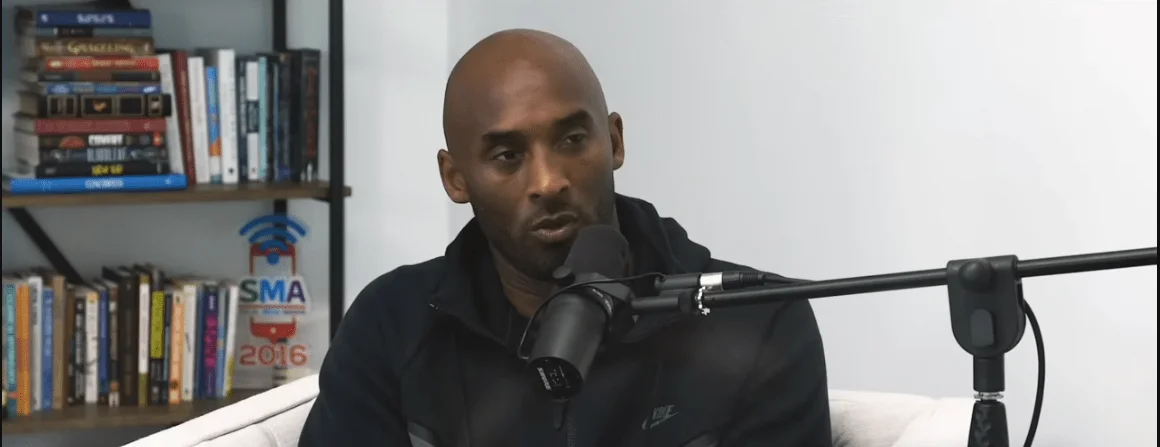
When Kobe Bryant slipped into a Boston College marketing lecture in January 2014, the surprise was palpable. Professor Nick Nugent, who thought the late‑arriving student was just another basketball player, soon realized it was the NBA star. The brief appearance sparked a flurry of emails and a crowd outside Fulton Hall, but the real story lies in what Bryant’s life tells us about learning.
Bryant left formal schooling after graduating from Lower Merion High School, where he finished with 2,883 career points and national Player of the Year honors. Instead of a college campus, his education continued abroad in Italy, where his father played professionally. Immersed in a foreign language and culture, Bryant absorbed lessons that no classroom could replicate.
At 17, he entered the NBA directly from high school, becoming the second youngest player ever drafted. The league itself became his university. Playing alongside Shaquille O’Neal and under Phil Jackson, he absorbed a basketball IQ comparable to a chess master’s strategic thinking. This on‑court education helped him achieve feats such as an 81‑point game in 2006, the second‑highest single‑game total in league history.
Bryant’s later pursuits—writing the book *The Mamba Mentality*, producing the Oscar‑winning short *Dear Basketball*, and even sitting in a professor’s class—showed his belief that curiosity, not a diploma, drives growth. He treated every experience as a lesson, proving that formal credentials are optional when the desire to learn is relentless.
 Kobe Bryant Education
For readers of ViralityNews, Bryant’s story is a reminder that education can be self‑directed, experiential, and lifelong. It challenges the assumption that a college degree is the only path to mastery and highlights how curiosity can fuel achievement in any field.