





Prediabetes is a condition in which a person’s blood sugar is chronically elevated, though not quite high enough to indicate full-blown diabetes. It serves as a warning sign that a combination of risk factors is leading you toward type 2 diabetes and the negative health consequences that entail, which can include estimates that type 2 diabetes shaves 10 years off a person's life.
The encouraging news is that prediabetes is reversible. Recognizing the problem early allows you to turn around risk factors such as being overweight or obese, living a sedentary lifestyle, and consuming too much added sugar. While there is a genetic component you cannot change, you can protect yourself by paying close attention to a healthy diet and exercise regime. Doctors typically test blood glucose during regular checkups, but there are also subtle warning signs to watch for throughout the year.
Understanding the Subtle Symptoms
Certain bodily changes can act as clues that your blood sugar levels are out of balance. Some of these signs are sneaky and may not immediately seem related to prediabetes.

1. High Blood Pressure
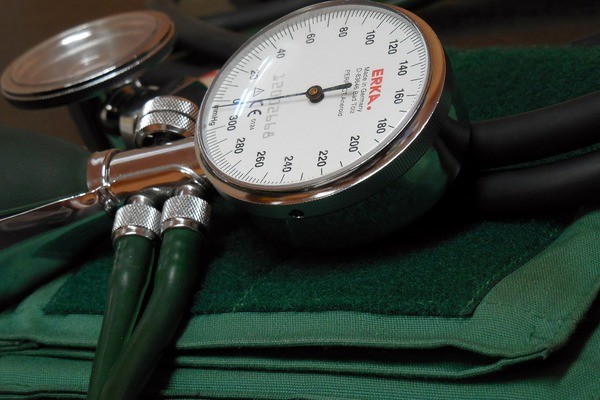
People with high blood pressure face an increased risk of prediabetes because hypertension forces the heart to work harder to move blood. This makes it more difficult for the body to eliminate excess sugar from the bloodstream. Hypertension and prediabetes exacerbate each other, and studies show that having both greatly increases the risk of heart failure. Both conditions are largely asymptomatic at first.
2. Blurry Vision
When blood sugar levels swing wildly from high to low, fluid can leak into the lens of the eye because the body goes into overdrive to pull water from cells to flush out excess sugar. This causes eyes to swell and change shape, preventing them from focusing properly.
3. Skin Problems
Prediabetes can cause shiny, scaly patches or dark, velvety patches on the skin due to increased insulin levels. It can also compromise blood circulation, causing itching in the extremities, especially the legs.
4. Gout
Gout is a painful form of arthritis causing sharp uric acid crystals to grow within joint tissue. It often occurs due to a rich diet and affects people who are overweight more frequently, making it a potential signal of prediabetes.
5. Unexplained Increase in Hunger
When the pancreas produces insulin that cannot process glucose effectively, excess sugar floats around the blood unused for energy. This can leave you feeling hungry soon after a meal because your body hasn't received what it needs.
6. Extreme Fatigue
When your body cannot use glucose properly for fuel, you are bound to feel tired despite eating full meals. Chronic exhaustion can lead you to scale back on physical activity and rely on fatty convenience foods, feeding back into the risk factors of a sedentary lifestyle and poor diet.
7. Increased Thirst
To eliminate excess glucose, your body dilutes the blood and flushes unprocessed sugar out via urine, pulling water from surrounding cells and leaving you chronically thirsty and dehydrated no matter how much you drink.
Practical Meaning and Next Steps
If you find that you are experiencing several of these warning symptoms, the condition is still reversible with proper attention. The first step is scheduling an appointment with your doctor for an assessment and professional advice on diet and preventative steps. Sustainable changes—such as drinking more water, taking the stairs, cutting out sugary sodas or bedtime snacks, and experimenting with new fruits and vegetables—can help turn the tide.