


The Herb Beyond the Kitchen
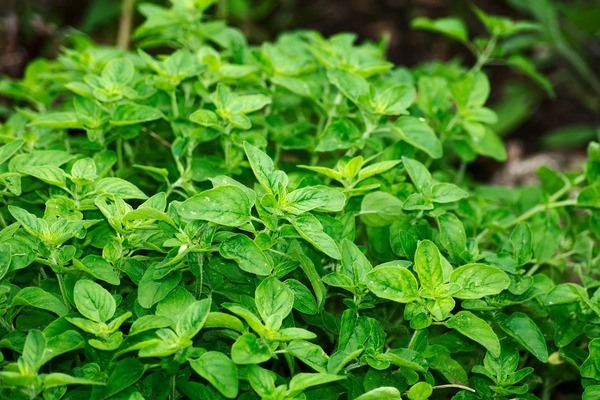
Most people know oregano as an earthy, slightly minty green herb that pairs perfectly with Italian dishes and tomato-based meals. Native to Europe and grown worldwide, oregano has a long history that extends far beyond culinary seasoning. Since the time of the ancient Greeks and Romans, it has been utilized medicinally to address concerns like coughs, asthma, psoriasis, and skin infections.
When concentrated into an oil, oregano packs a potent punch of antioxidants, along with natural antibiotic and antifungal properties. Research suggests that as little as three drops per dose can deliver multiple health benefits when consumed or applied topically, though certain warnings also apply.
Natural Antibacterial Properties

Oregano oil contains carvacrol, an abundant phenol antioxidant known to halt the growth of various bacteria, including Staphylococcus aureus. Staph bacteria can cause common food poisoning and skin infections, which can sometimes become extreme or fatal.
Animal studies have explored these effects. In research involving mice, 43 percent of Staph-infected animals given solely oregano oil survived longer than 30 days, nearly matching the 50 percent survival rate seen with standard antibiotics. While more human research is needed, early studies indicate potential against other antibiotic-resistant strains like Pseudomonas aeruginosa and E. coli.
Supporting Cholesterol and Managing Pain

When combined with diet and lifestyle modifications, adding oregano oil to a daily routine may assist in lowering bad cholesterol. One study found that individuals with mildly elevated cholesterol experienced lower LDL levels and higher HDL levels after consuming 0.85 ounces of oregano oil post-meal.
Additionally, research highlights potential pain-relief properties. Studies on mice and rats indicate that oregano oil functions nearly as well as drugs like morphine and fenoprofen, with higher doses yielding stronger results. Compounds like carvacrol and rosmarinic acid help reduce inflammation, mirroring the approach of common over-the-counter painkillers.
Disease Protection and Fungal Support
Free radicals can damage cells and alter DNA, leaving the body vulnerable to diseases such as cancer. Daily antioxidants from oregano oil help neutralize these unstable byproducts. Furthermore, test-tube studies show carvacrol can induce the death of breast, lung, and liver cancer cells.
Beyond bacteria, the oil targets fungi. Test-tube results indicate that oregano oil successfully eliminates at least five different types of Candida yeast, outperforming other tested essential oils.
Important Precautions
While available in health food stores and online capsules, potencies vary by brand. There is no standard dose, but benefits can begin with three drops added to food or drink. Topical application requires dilution using one teaspoon of olive or coconut oil per drop of oregano oil. Pregnant or breastfeeding women should avoid it, and individuals on prescription medications should consult a doctor before starting a regimen.