





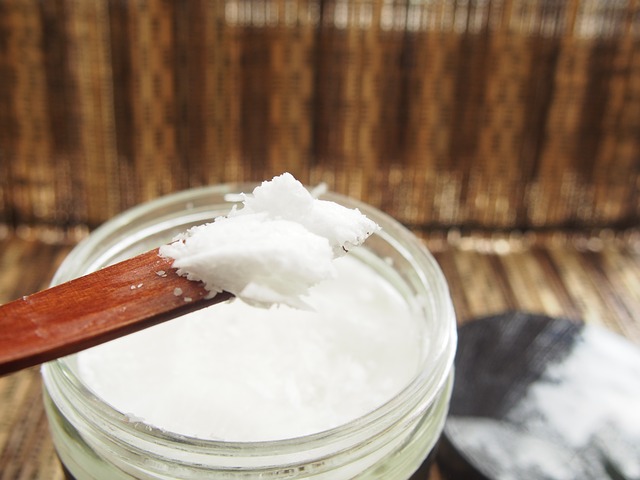
Coconut oil is one of those foods that captures a lot of attention and sparks fierce debates. While some health experts celebrate it as a superfood featuring a unique combination of fatty acids, others have gone so far as to label it poison. The reality of the debate sits somewhere in the middle. While populations that consume large amounts tend to have a lower incidence of heart disease, coconut oil also contains about 80 percent saturated fat—more than the 50 percent found in red meat. Too much saturated fat can lead to cardiovascular issues, including heart disease. The real effects depend on understanding medium-chain triglycerides (MCTs).
Increased Fat Burning and Reduced Hunger
The MCTs in coconut oil are credited with increasing calorie burn. One study showed that ingesting 15 to 30 grams of MCTs daily bumps up energy expenditure by 5 percent. When trying to shed pounds, this extra burn can help, though it works best alongside a reduction in carbs and regular exercise. Additionally, MCTs go directly to the liver and are used as ready energy or turned into ketones. Studies show that people who consume the most MCTs in the morning eat fewer total calories throughout the day, which can help reduce hunger and cravings.
Protection Against Microorganisms
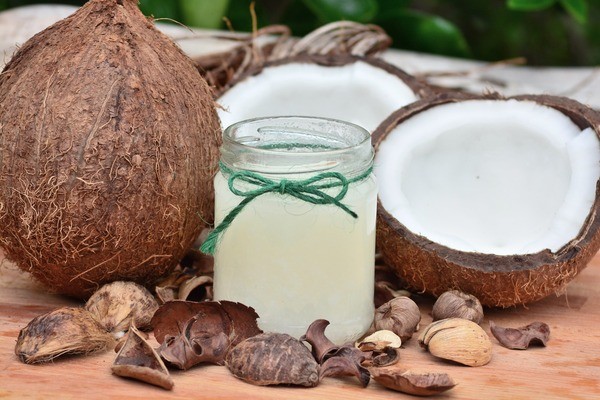
About 50 percent of the fatty acids in coconut oil are lauric acids. During digestion, lauric acid transforms into monolaurin. Research suggests that both lauric acid and monolaurin can help kill off harmful pathogens, including viruses, fungi, and bacteria. Studies have shown that Candida albicans and Staphylococcus aureus are vulnerable to these compounds.
Cholesterol and Seizure Research
The saturated fat in coconut oil has been shown in some studies to increase HDL, or good cholesterol, while altering LDL, or bad cholesterol, into a less harmful form. Furthermore, the fatty acids in coconut oil are frequently used to induce ketosis in epileptic patients of all ages, as high-fat and low-carb diets can reduce the incidence of seizures in epileptic children.

Skin, Dental, and Topical Benefits
Coconut oil offers benefits even without eating it. It works as a natural moisturizer when massaged into the skin and can soothe eczema symptoms. It blocks about 20 percent of ultraviolet rays from the sun, though it does not replace sunscreen. Some people also swish it around their mouths to kill bacteria and improve breath.
The Other Side of the Debate

Much of the debate stems from how studies are interpreted. Many claims originate from research on medium-chain triglycerides conducted by Marie-Pierre St-Onge. While coconut oil contains MCTs, that particular study used a designer oil containing 100 percent MCTs, whereas regular coconut oil contains only about 13 to 15 percent. Because other studies have failed to distinguish coconut oil's behavior from other saturated fats, the American Heart Association has issued a warning against consuming it. Experts generally agree that moderation is key, and topical uses like skincare remain widely appreciated.