


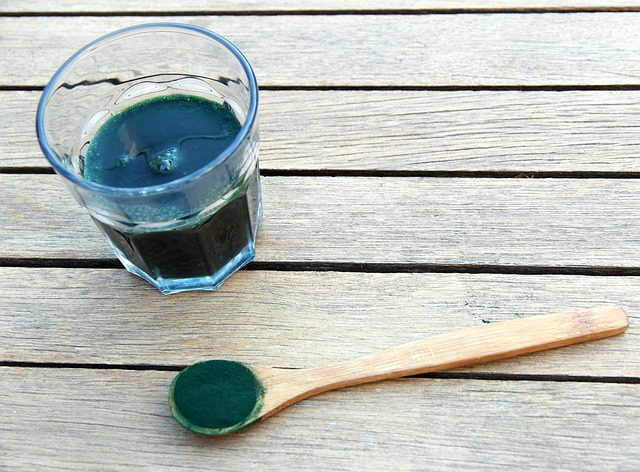
Navigating the world of dietary supplements can feel overwhelming, especially when trends come and go. However, focusing on nutrients and antioxidants remains a cornerstone of reducing the risk of major diet-related illnesses like cancer, diabetes, and heart disease. Supplements can help bridge the gap, and one popular option brimming with nutrients is spirulina—a type of cyanobacteria commonly known as blue-green algae. While it has time-tested popularity, it also comes with important risks to keep in mind.
Protection from Disease and Lower Cholesterol
Spirulina is packed with antioxidants, most notably phycocyanin, which gives it a blue-green color and helps neutralize free radicals that cause chronic inflammation. Research has also shown that spirulina can lower bad LDL cholesterol and triglycerides while raising good HDL cholesterol. Studies utilizing daily doses ranging from 1 to 8 grams have shown favorable results on cholesterol levels.
Cancer Research and Allergy Relief
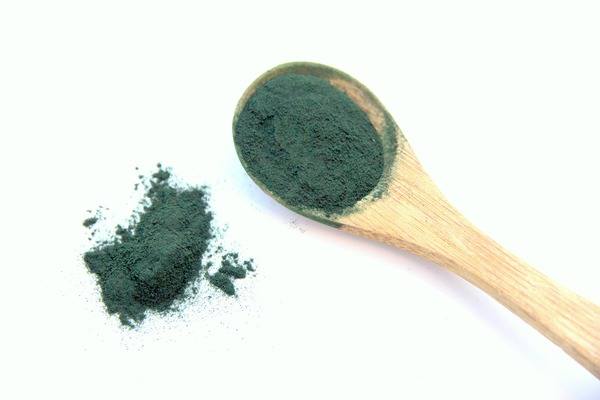
A diet rich in antioxidants offers natural defense, but research suggests spirulina may have specific benefits regarding oral cancer. In a study of individuals with precancerous mouth lesions, consuming 1 gram of spirulina daily caused lesions to disappear in 45% of the active group compared to just 7% in the control group. Furthermore, studies on allergic rhinitis indicate that taking 2 grams daily can significantly reduce symptoms like sneezing, congestion, and runny nose without the side effects common in over-the-counter medications.
Blood Sugar and Fitness Benefits
Unregulated blood sugar is a primary driver of type 2 diabetes, but studies involving people with type 2 diabetes show that 2 grams of spirulina daily reduced blood sugar levels and lowered HbA1c markers enough to significantly decrease risks of complications. Beyond internal health, studies in athletes have found that spirulina's antioxidant properties help minimize exercise-induced oxidative damage, significantly increasing the time it takes for muscle fatigue to set in.
Important Safety Warnings
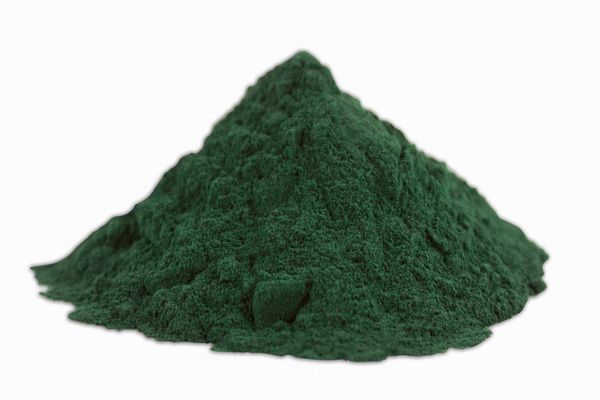
Despite its benefits, spirulina is not recommended for everyone. Women who are pregnant or nursing should avoid algae supplements, as studies show it can lead to excessively high calcium levels in a fetus and cause seizures after birth. Additionally, consumers must verify product safety. Unregulated supplements can contain dangerous levels of heavy metals like lead, mercury, and arsenic, making it vital to choose brands with independent testing certifications on the label.