




A Surprising Brain Workout
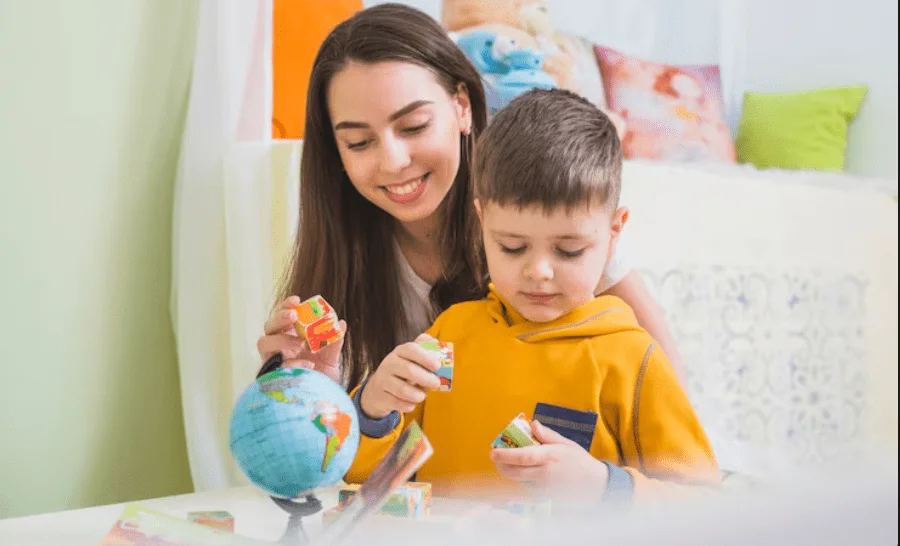
In a classroom somewhere, a three‑year‑old effortlessly swaps languages mid‑sentence. Far from being a mistake, each switch forces the brain to suppress one language while activating the other. Repeating this process thousands of times strengthens mental “muscles” such as executive function, attention, and task‑switching ability.
What the Science Says
- **Early advantage** – A 1962 study by Peal and Lambert found that balanced bilingual children outperformed monolingual peers on several cognitive tests. This early research sparked a shift away from the old belief that bilingualism caused confusion.
- **Executive boost** – Ongoing studies indicate that managing two language systems enhances the brain’s ability to filter information, stay focused, and shift between tasks without losing concentration.
- **Long‑term protection** – Adults who have spoken two languages for decades often show a slower rate of cognitive decline. While the exact mechanism is still debated, the link between lifelong bilingualism and delayed onset of dementia or Alzheimer’s is strong enough to merit attention.
Why Early Exposure Matters
Preschool years are a prime window for language learning. Young children aren’t yet afraid of making mistakes, so they absorb new sounds and rhythms through songs, stories, and play. Full immersion—rather than translation drills—mirrors how we learn our first language, making the brain’s phonological architecture highly adaptable.
Beyond the Classroom
Bilingualism isn’t just a cognitive perk; it also shapes identity. Switching languages can feel like shifting perspectives, and many bilinguals report feeling “different” depending on the language they’re using. In social contexts, code‑switching can carry pressure, but early, supportive environments help children develop confidence and resilience.
The Takeaway
When you see a child seamlessly change languages, recognize it as a powerful brain‑training exercise. Each switch reinforces executive functions that support learning, problem‑solving, and even long‑term mental health. Encouraging bilingual experiences early on can set the stage for sharper thinking throughout life.